What is AI video generation, and how does it work?
AI video generation takes a text description, image, or video and produces a moving video clip. There is no camera, no lighting rig and no timeline to cut by hand. You describe the shot, the model generates the frames, and you get the result.
Most tools work one of three ways. You type what you want (text-to-video), you upload an image and animate it (image-to-video), or upload a video and transform it (video-to-video). All three produce a short clip, ranging typically from three to 30 seconds, that you can refine, extend or combine with other clips into a longer video. Runway's guide to getting started with generative video walks through this exact process if you want to try it yourself inside the app.
Behind the scenes, video generation models produce videos that accurately portray how objects move, how light falls across a scene, how a camera behaves when it pans or tracks and more. You don't need to understand any of that mechanically to get a usable first clip. But if you're curious about what to do once you're past the basics, our in-depth breakdown of how AI video generation works is a good next stop.
A beginner's glossary
A few terms stand out right away when you open an AI video creation tool. Here's what they mean in plain English.
| Term | What it means |
|---|---|
| Prompt | The written description you give the model: what's in the shot, what it's doing and how the camera moves. |
| Text-to-video | Generating a clip from a written description alone, with no starting image. |
| Image-to-video | Generating a clip by animating a photo or image you upload. |
| Video-to-video | Generating a clip by transforming, editing or extending a video you upload. |
| Clip or generation | One output from the model, typically three to 30 seconds long. |
| Aspect ratio | The shape of the video frame. 16:9 for YouTube, 9:16 for TikTok and Instagram Reels. |
Keep this list handy when you start generating videos, as it will help you avoid confusion with the terms while navigating your tool of choice.
Text-to-video vs image-to-video vs video-to-video: which should you start with?
If you already have an image you like, such as a product photo, a character sketch, an AI-generated image or a still from your own footage, start with image-to-video. Giving the model a visual anchor produces more predictable, controlled results than describing a scene from nothing, because the model has less to invent on your behalf. The same applies to video-to-video: if you have existing footage you want to use as a visual anchor, or want to edit or extend, video-to-video is a good starting point. The starting footage can also be an AI-generated video that can help direct your desired end output.
If you're starting from an idea with no existing image or video, text-to-video is a good starting place. Write what you want to see, generate a first pass and treat it as a draft you'll refine rather than a final answer. You'll likely regenerate a few times before the shot matches what you had in mind, and that's perfectly normal.
All three approaches work, and many people who make AI videos regularly switch between them depending on whether they already have a visual reference or are starting from a blank page. A useful habit: if a text-to-video result keeps missing what you're picturing, generate a still image close to what you want first, then animate that image instead.
Do you need any technical or editing skills to get started?
No, you don’t. AI video generation replaces the technical steps, like camera operation, lighting and shot composition, with a text description or reference asset. The skill you'll actually need to build is prompt-writing: being specific about subject, action, setting and camera movement.
You also don't need editing software to produce your first usable clip. You'll want one only once you're stitching multiple clips together or adding a soundtrack. And even then, many generative video models like Google Veo 3.1 and Seedance 2.5 have generative audio capabilities built in to generate sound into generated video, and tools like Runway have a built-in video editor, so you don’t need to switch between tools to finish a project.
What you need to generate an AI video
- An account with an AI video tool.
- A rough idea of the shot: what's in the frame, what it's doing and where it's happening.
- A text description detailing the elements of the video or, optionally, a photo or image if you're starting from image-to-video or a video if you’re starting from footage.
- A few minutes to generate, review and regenerate.
Cost varies by tool and plan, though most offer a free tier or free credits to make your first several clips. Treat your early attempts as free practice rather than a finished deliverable, and don't judge the tool, or yourself, on the first result.
How to write your first prompt
A strong prompt names four things: the subject, the action, the setting and the camera angles. Weak prompts describe a vibe and include vague elements.
| Weak prompt | Strong prompt |
|---|---|
| A cool city scene | A wide shot of a rain-slicked city street at night, neon signs reflecting on the pavement, camera slowly pushing forward |
| A dog running in a park | A golden retriever running through a sunlit park, low-angle tracking shot, shallow depth of field |
Naming a shot type, such as a close-up, a wide shot or a tracking shot, gives the model far more to work with than an adjective. And if you're not sure what shot types mean or where to start, here’s a quick guide: start simple with a wide shot for scenery, a close-up for a face or object, and a tracking shot when you want the camera to follow the action.

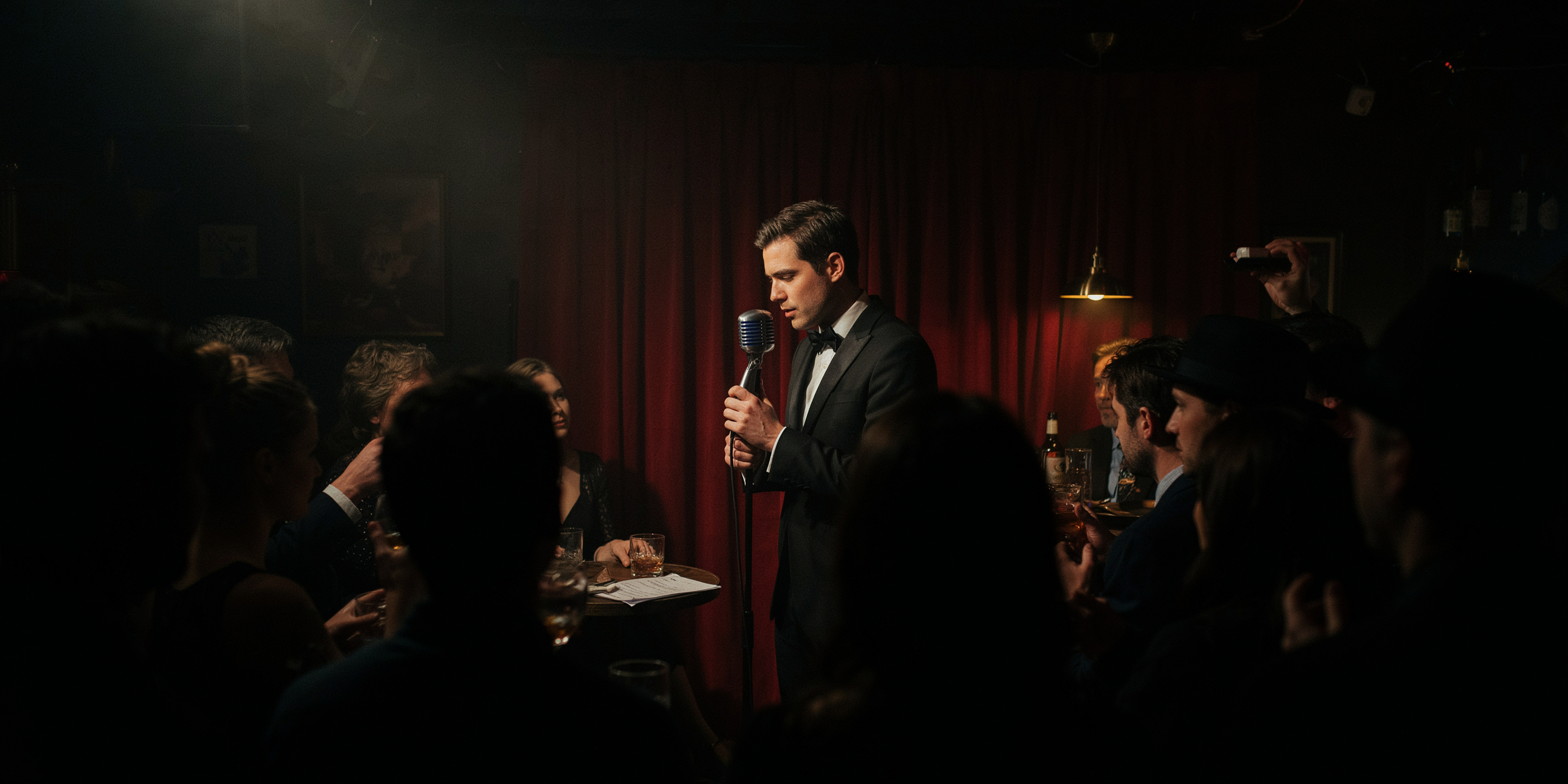
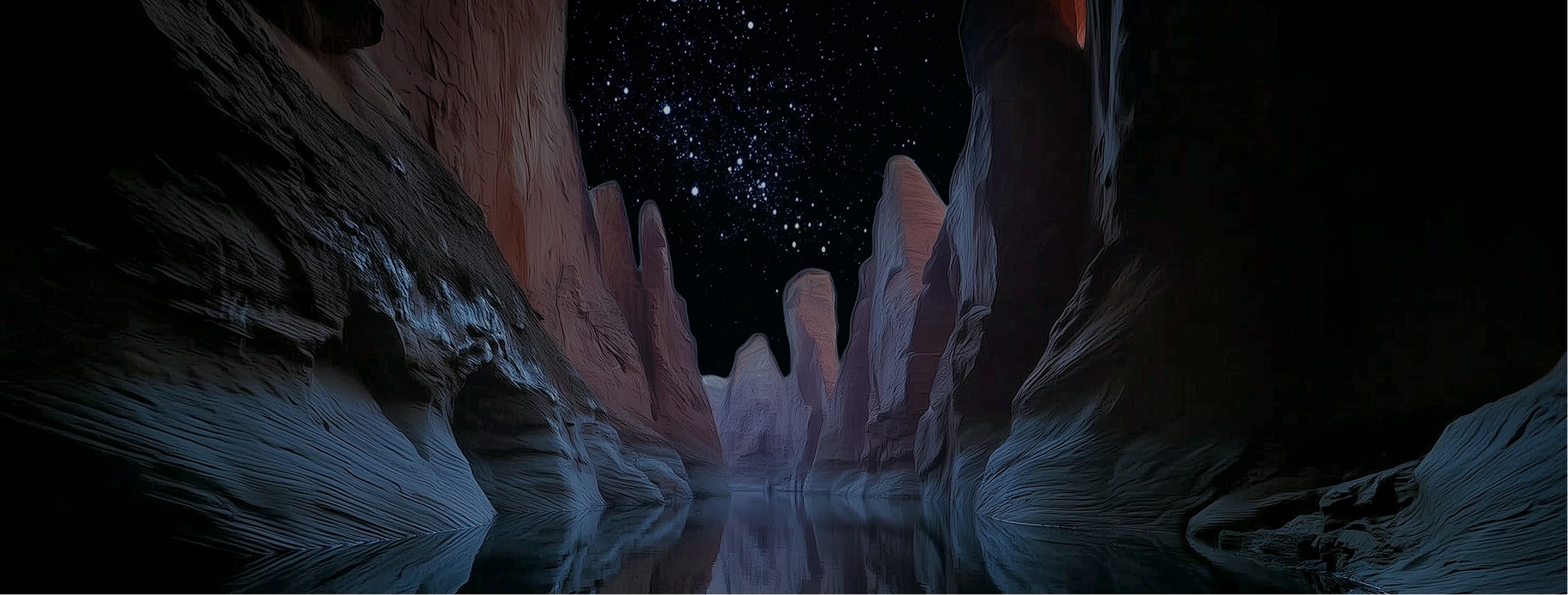
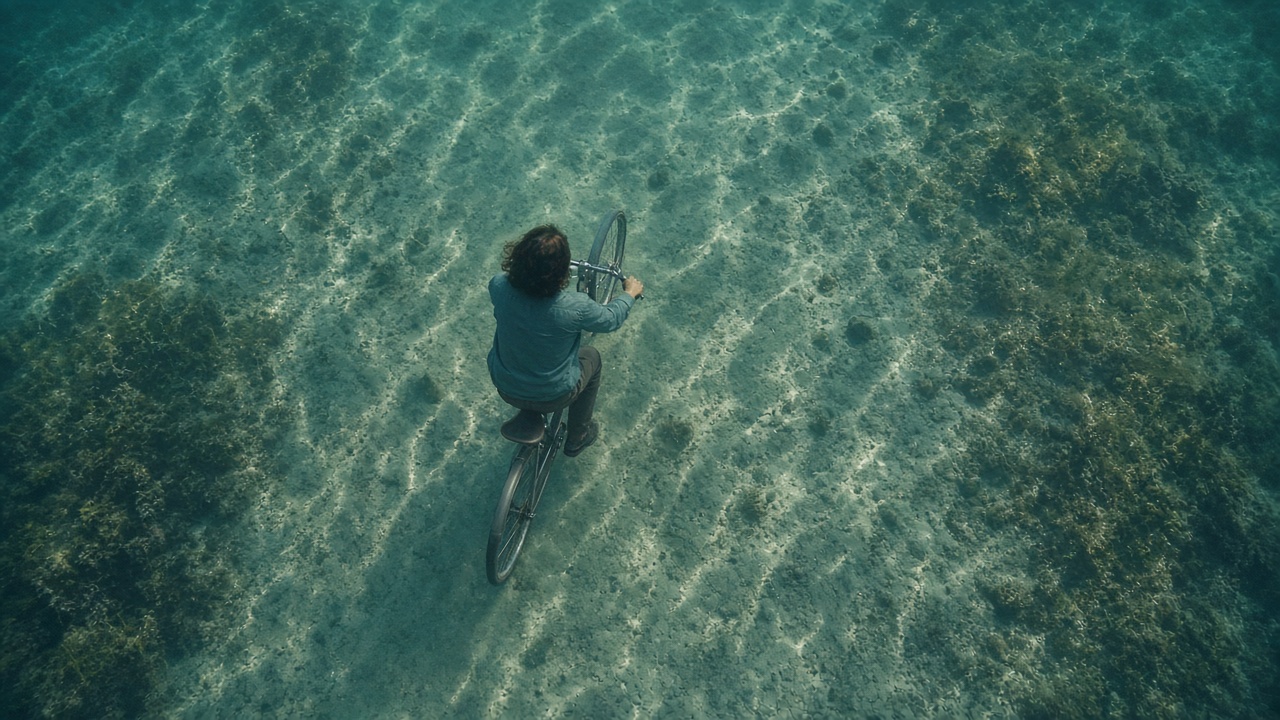
The difference in AI-generated assets based on how descriptive your prompts are
Which AI video generator should you start with?
Popular or feature-rich tools are good, but what matters more as a beginner is what you're building.
| Your goal | What to look for | Why |
|---|---|---|
| A one-off clip for a single post | Zero-friction free tier, simple text box | You want speed, not a learning curve |
| Ongoing video content on a regular schedule | Consistent character/style controls, reference images | You need repeatable results, not one-off luck |
| A project that will need editing, sound or multiple shots later | A platform that generates, edits and scores audio in one place | Switching tools mid-project breaks consistency and costs you the work already done |
AI video generators worth exploring
- Runway for sleek, professional grade AI-generated videos and images, storyboards and cinematic outputs, especially if you’re looking to move past a single clip into editing or multi-shot sequences.
- Hailuo (MiniMax) for fast, free concepting and iteration
- Higgsfield for stylized, short-form content and social clips
- Synthesia or HeyGen for avatar-led, script-to-video; ideal if the goal is specifically a presenter reading a script rather than an open-ended scene
What happens after you hit generate
Most clips take under two minutes to generate. When it's done, watch the whole thing before judging it. The first frame rarely tells you how the full clip holds up, and a shot that looks off at the start can resolve into something usable by the second. The opposite is true for longer scenes with several characters: scenes can drift the longer clips are and the more reference assets you’re using and prompting with.
If something's off, change one part of the prompt at a time rather than rewriting the whole thing. Adjust the camera direction, setting or action, then regenerate and compare. This is the fastest way to learn what the model actually responds to, because you're isolating one variable instead of changing several all at once.
Iteration is normal, not a sign that you’re doing something wrong or that AI video doesn’t work for you. You may not land on a result you’re happy with until after a few generations, but once you’ve learned how your specific tool interprets camera and lighting language, things will click into place much faster.
Even with a few rounds of iteration, AI video generation still gets you from idea to finished clip much faster than traditional video production. Digital and mixed reality artist Voidz shared this same sentiment about using Runway for the production of his documentary film, Ends Meat:
“Ends Meat is roughly 95 seconds with 15 surreal interventions. If I’d tried to make the same film entirely through traditional 3D and VFX on my own, I honestly think it could have taken me somewhere between six months and a year.”
Common mistakes for first-time AI video generation
| Mistake | What to do instead |
|---|---|
| Writing a vague or one-word prompt | Name the subject, action, setting and camera movement |
| Expecting one prompt to produce a full-length video | Plan for several short clips, generated and sequenced together |
| Judging quality from the first frame | Watch the entire clip before deciding whether to regenerate |
| Changing the entire prompt at once when a clip is wrong | Adjust one element at a time so you know what caused the change |
| Ignoring aspect ratio until export | Set the aspect ratio for your target platform before you generate |
Many models cap a single generated clip at 5 to 10 seconds to maintain item and character consistency. Anything longer than that means generating a few clips and sequencing them, because producing one long, accurate take from a single prompt can quickly lose the original vision. So don’t be worried if your first prompt doesn’t produce a finished two-minute video. But if your goal is longer scenes, Seedance 2.5 is a great choice for producing clips up to 30 seconds.
How much does it cost to make an AI video as a beginner?
AI video tools, including Runway, often offer a free tier or sign-up credits, enough to generate and iterate your first several clips without paying anything. Start with 125 free credits with Runway’s AI video generator. Paid plans scale with resolution, clip length, credit usage and generation volume, so your cost stays close to zero while you're still learning what a good prompt looks like.
Once you're generating regularly, at higher resolution or in larger volumes, you’ll need to start thinking about which plan fits your use.
Frequently asked questions
Which AI video generator is best for beginners?
It depends on what you're making. Runway is a strong pick if you want generation and editing, with features like trimming, stitching and adding sound, all in one place as you move past your first few clips.
Do I need editing experience to make AI videos?
No. You need a clear description of the shot you want. Editing experience becomes useful only once you're combining multiple clips into a longer piece or adding a soundtrack, and even that step can happen in the same tool you used to generate the clip in the first place.
Is it hard to learn AI video generation?
Not for a first usable clip. The learning curve is in prompt-writing, particularly being specific about subject, action, setting and camera. Most people pick this up within a handful of generations simply by comparing what changed between various attempts.
How long does it take to make your first AI video?
Generation itself usually takes between 30 seconds to 2 minutes per clip. Getting to a result you're happy with typically takes a few rounds of adjusting the prompt and regenerating, so budget 15 minutes or a little more for your first real session.
Can I make AI videos for free?
Yes. Most tools, including Runway, offer free credits or a free tier that covers your first several clips, which is enough to learn the basics before you decide whether to pay.
Generating your first AI video takes a prompt or reference image and a few minutes of iteration, and most of the quality comes from how specific that initial input is. Generate, relight and edit your videos without starting over with Runway's AI video generator. Get started for free.
Related: How does AI video generation work? | Turn photos into videos | AI camera prompts | How to make AI videos fast | AI video prompting guide | How do you create a storyboard? | AI image generator for beginners