What does image to video mean?
Yes, you can turn an image into a video, and it's relatively easy. Upload a still photo to an AI image-to-video tool, describe the motion you want and the tool generates a short clip from that single frame. It works the same way AI video generation does more broadly, just starting from a photo instead of a blank prompt.
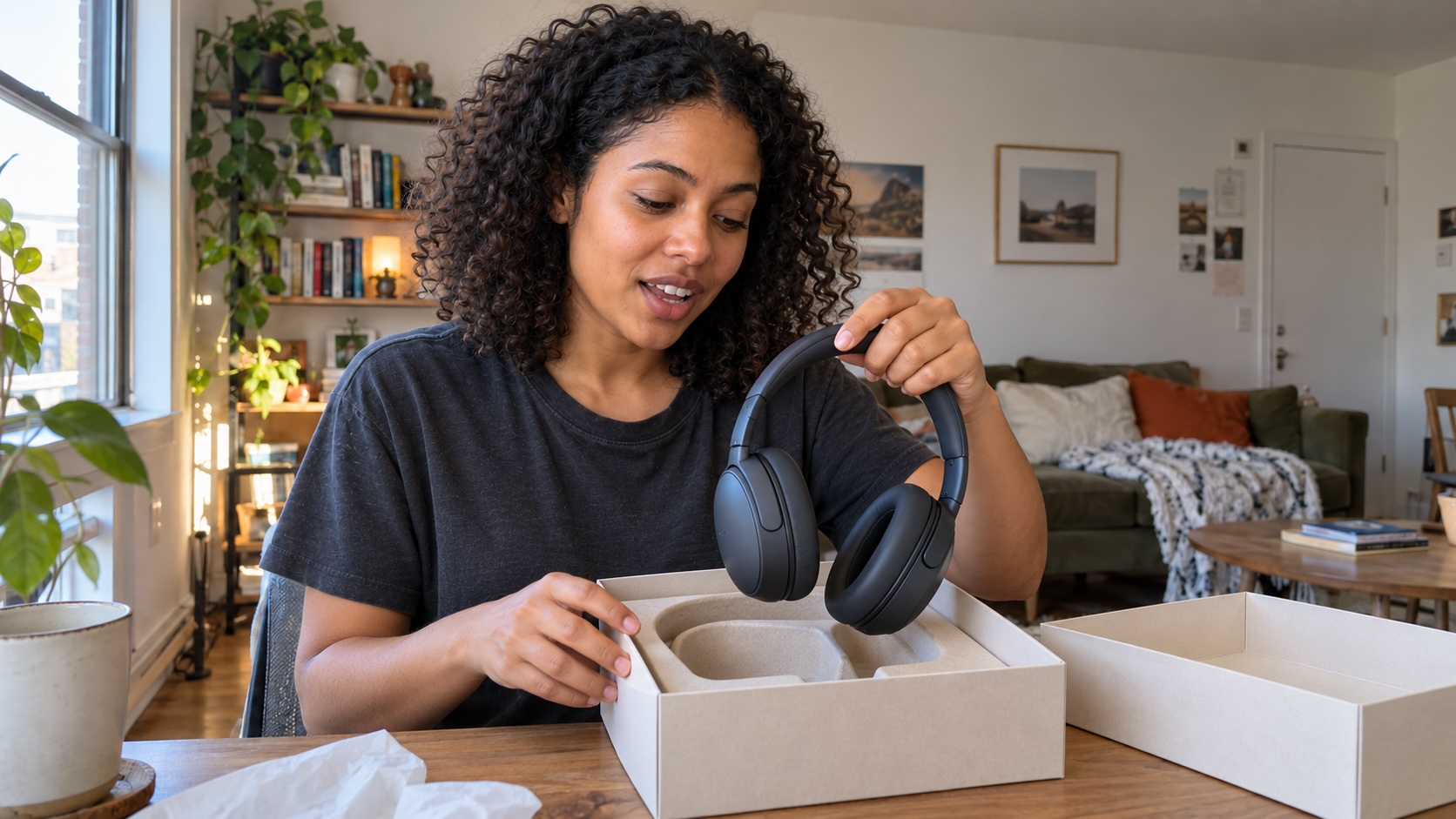
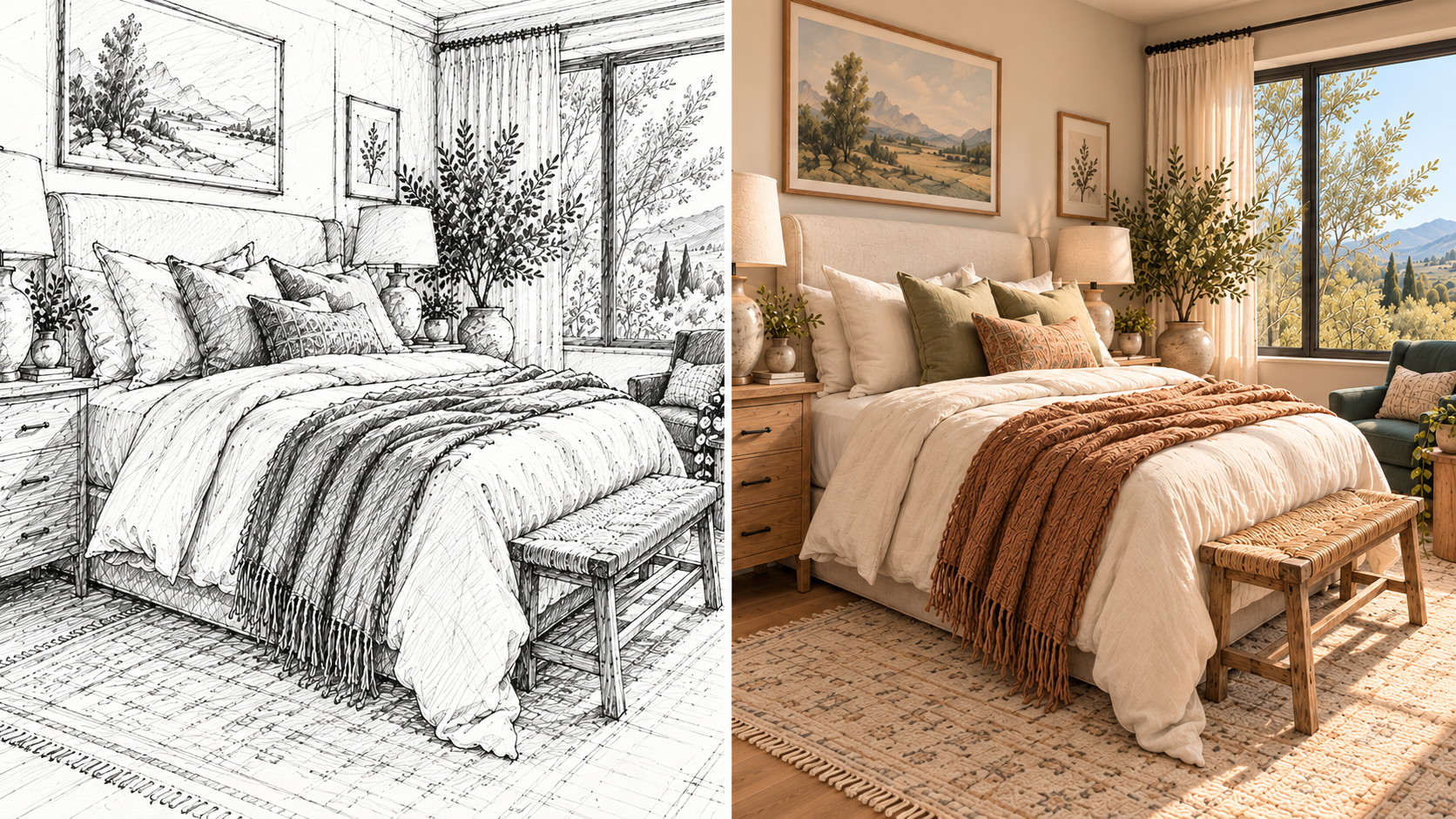
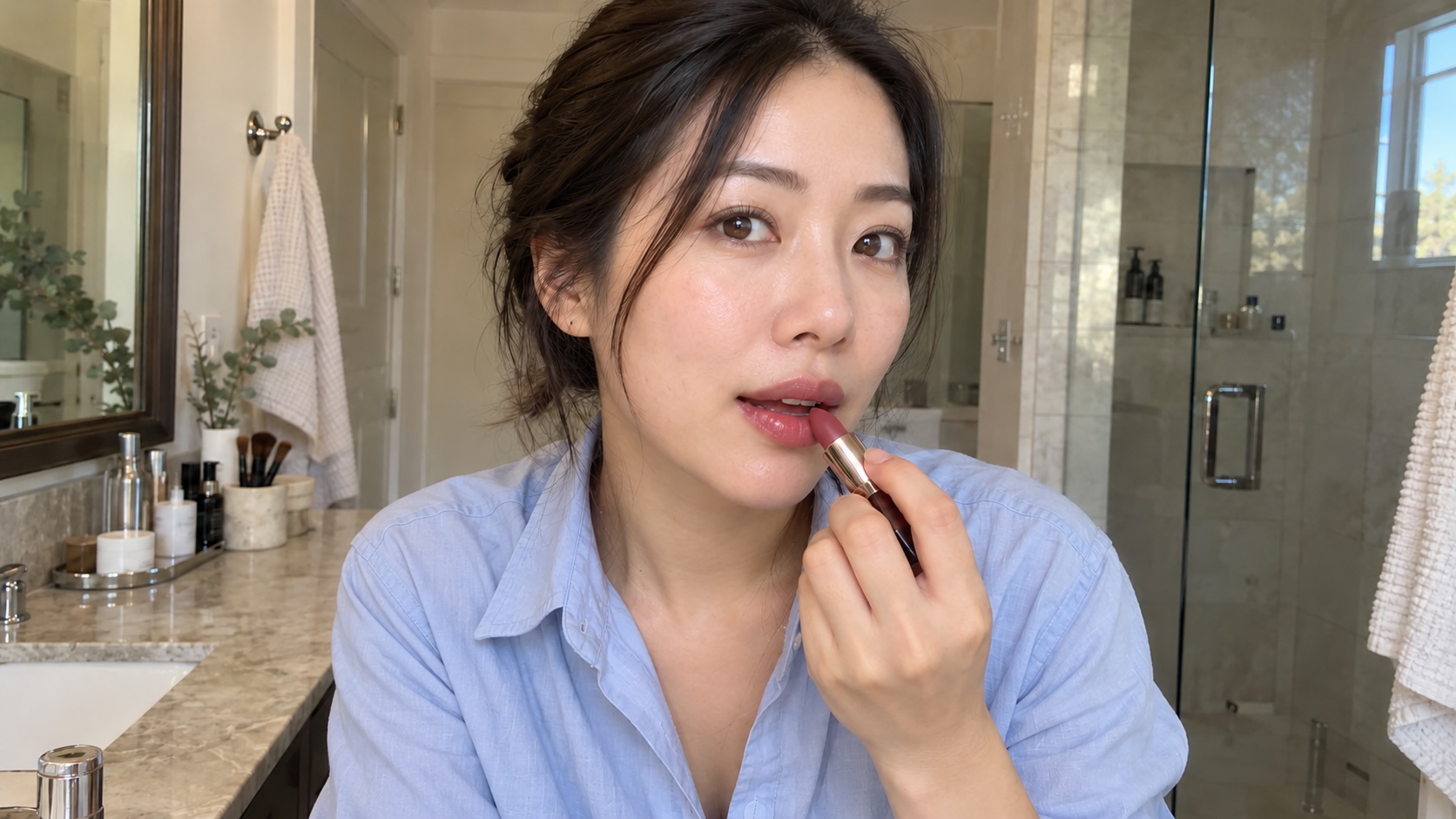
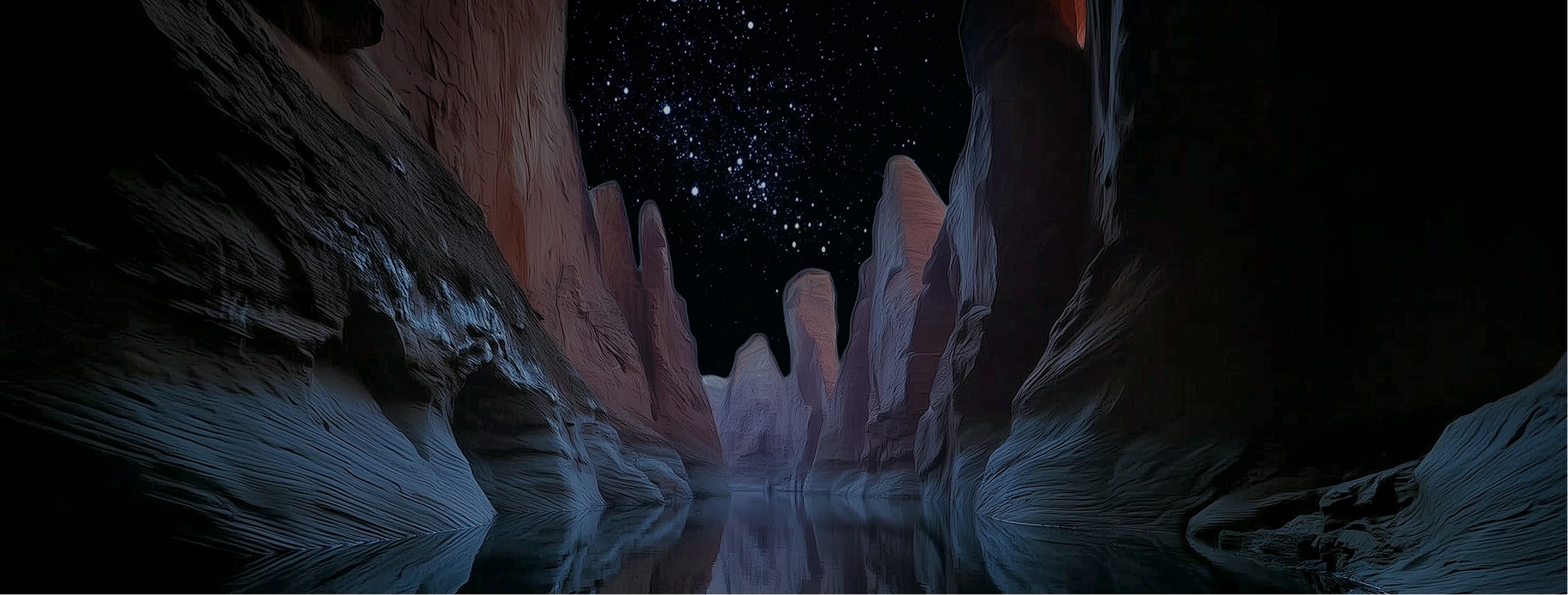
Behind the scenes, there are actually two different jobs hiding. The first task is animating a single still: one photo becomes one short moving clip. That might look like making a portrait blink, clouds drift, or a camera push slowly through a room. This is what most people think of when they're imagining image to video AI or photo to video.
The second version of this is building a photo slideshow: several photos get stitched together with transitions and music into a longer video. Both count as "image to video" in everyday language. But when you get technical, they're different tools solving different problems, and deciding which is right for you depends on the final result you're looking for.
Why image to video is worth learning now
Audiences prefer watching over reading. According to Wyzowl's 2026 video marketing survey, 63% of people say they'd most like to watch a short video to learn about a product or service. An AI image-to-video tool has made producing that video fast enough and cheap enough to be a routine option rather than a special project. Wistia's State of Video 2025 report found AI use in video creation rose to 41%, up from just 18% the year before. The AI video generator market was valued at $788.5 million in 2025 and is projected to reach $3,441.6 million by 2033. More people are learning to turn photos into videos not because it's trendy, but because it's now fast enough to be practical.
How image to video works
When turning an image into video, AI usually treats the uploaded image as a fixed first frame, often called the reference frame. Everything in that photo, including the composition, the subject, the lighting, the color and the style, carries into the video and anchors the eventual video. The job of the prompt is narrower than it sounds: describe what should happen next. That means detailing the motion, the camera motion and how the scene progresses, but not the scene itself, since the reference frame already established that. This is what makes it possible to animate a still image with predictable results rather than a completely open-ended generation.
The process does trade some creative range for tighter control. A text-only prompt can produce almost anything, for better or for worse. An image-to-video prompt is constrained to what's physically plausible starting from that exact frame, making it more reliable for a specific, planned result. Image to video can have great outcomes with real product shots, real portraits, and real property photos, while text prompts are more suitable for a generic scene.
How to turn an image into a video in Runway
- Upload your image. Any photo, illustration, product shot or portrait works as the starting frame or reference image for a shot.
- Describe the motion you want. Focus on what specifically should move, not describing what's already in the picture.
- Set the camera movement and duration. Pick a push-in, a pan, a static hold or another movement, and choose how long the final clip should run.
- Generate. The tool renders a short clip built from that single frame.
- Review and export. Check the result against what was asked for, adjust the prompt if needed and export.
This is the AI video generator workflow underneath image to video specifically: a still image goes in as the first frame or reference image, a description of the motion goes in as the prompt and a finished clip comes out.
Writing prompts that control motion
Keep the prompt focused on what should move. Re-describing the whole image is unnecessary and can potentially muddle the results, since the AI system can already see the photo. A simple prompt formula covers most image-to-video prompts: camera movement, plus the action in the scene, plus atmospheric details like light or weather. The same approach will work whether the goal is to animate a photo of a product, a landscape or a person.
A couple of examples based on this formula: "Slow push-in on the subject, hair moves gently in the breeze, warm afternoon light." Or: "Static wide shot, clouds drift slowly across the sky, soft golden hour lighting." The full three-part formula, with more examples and common mistakes, is covered in more depth in this photo-to-video prompting tips guide, and the broader AI video prompting guide covers the same fundamentals for text-to-video prompts too.
Animating a single still vs. building a photo slideshow
Animating a still and building a photo slideshow are different solutions to different challenges. Picking the wrong approach is the most common early mistake.
| Approach | What it does | Best for |
|---|---|---|
| Single-still animation | Motion generated from one fixed frame | A portrait, a product shot or a single scene that needs to feel alive |
| Photo slideshow | Many photos stitched together with transitions and music | A recap, a timeline or a story told across several images |
If the goal is for one photo to come to life, single-still animation is the right tool, whether that's called photo to video or picture to video depending on the platform. If the goal is turning a whole folder of photos into one longer video, a slideshow builder is the better fit. Trying to force one approach instead of another usually produces a worse result, so make sure to analyze your goal.
What you can make: real uses of image to video
AI image to video is powerful. A single product photo can become a polished ad without a reshoot. For example, KPF, an architecture firm, used to outsource every animated rendering. A minute of footage could cost thousands of dollars and the turnaround time was two weeks. With image to video, the KPF team can now animate a static rendering in-house in a few hours.
J. Garcia Lopez Funeral Home ran a lead-generation campaign called "You're Still Here," animating photos of clients' departed loved ones so they'd smile and wave. The campaign generated 10,000 videos and 16,000 leads in two weeks.
A portrait can be animated to speak with a voice track by describing it to Agent, or through Runway's add dialogue, built specifically for adding speech to a still image.
This process isn't limited to individual creators. 86% of ad buyers are already using or planning to use generative AI to build video ad creative. Image to video is no longer experimental, but squarely inside the workflows of modern marketing teams.
Tips for better image-to-video results
- Start with a high-quality image. Blurry or low-resolution source photos will carry those flaws into the generated video.
- Describe one clear motion. A single, specific action generates video more reliably than several actions crammed into one prompt.
- Keep clips short. Most tools generate 5 to 10 second clips well; any longer, and the generation is less reliable.
- Iterate on the prompt. The first generation shows what the model understood. Keep iterating and testing to get the final desired result.
- Match the camera move to the mood. A slow push-in reads very differently than a static hold or a fast pan, so be sure to choose deliberately.
Frequently asked questions
Can I create a video from a single photo?
Yes. This is single-still animation, sometimes called photo to video or the ability to animate a still image. In this process, one photo becomes one short moving clip based on the motion described in the prompt.
Do I need editing skills?
No. All you need to know how to do is upload an image and describe the motion you're looking for. There's no timeline, no manual keyframing, and no prior video editing experience required.
How long are the videos?
Most generated video clips run 5 to 10 seconds. Longer sequences are possible by extending a clip or chaining several generations together, but the results can be less reliable.
Can I control the camera movement?
Yes. Camera movement is set through the prompt or dedicated camera controls. A push-in, a pan, a static shot and other movements can all be specified directly.
Is it free to try?
Runway offers a free tier to start. See Runway's pricing plans for what's included at each tier.
Start turning your images into video
Image to video closes the gap between a single photo and a finished clip. There's no shoot, no studio and no editing software required. All you need is a photo and a description of what should happen next. Try it with a photo already sitting on your phone or in a project folder over at Runway.