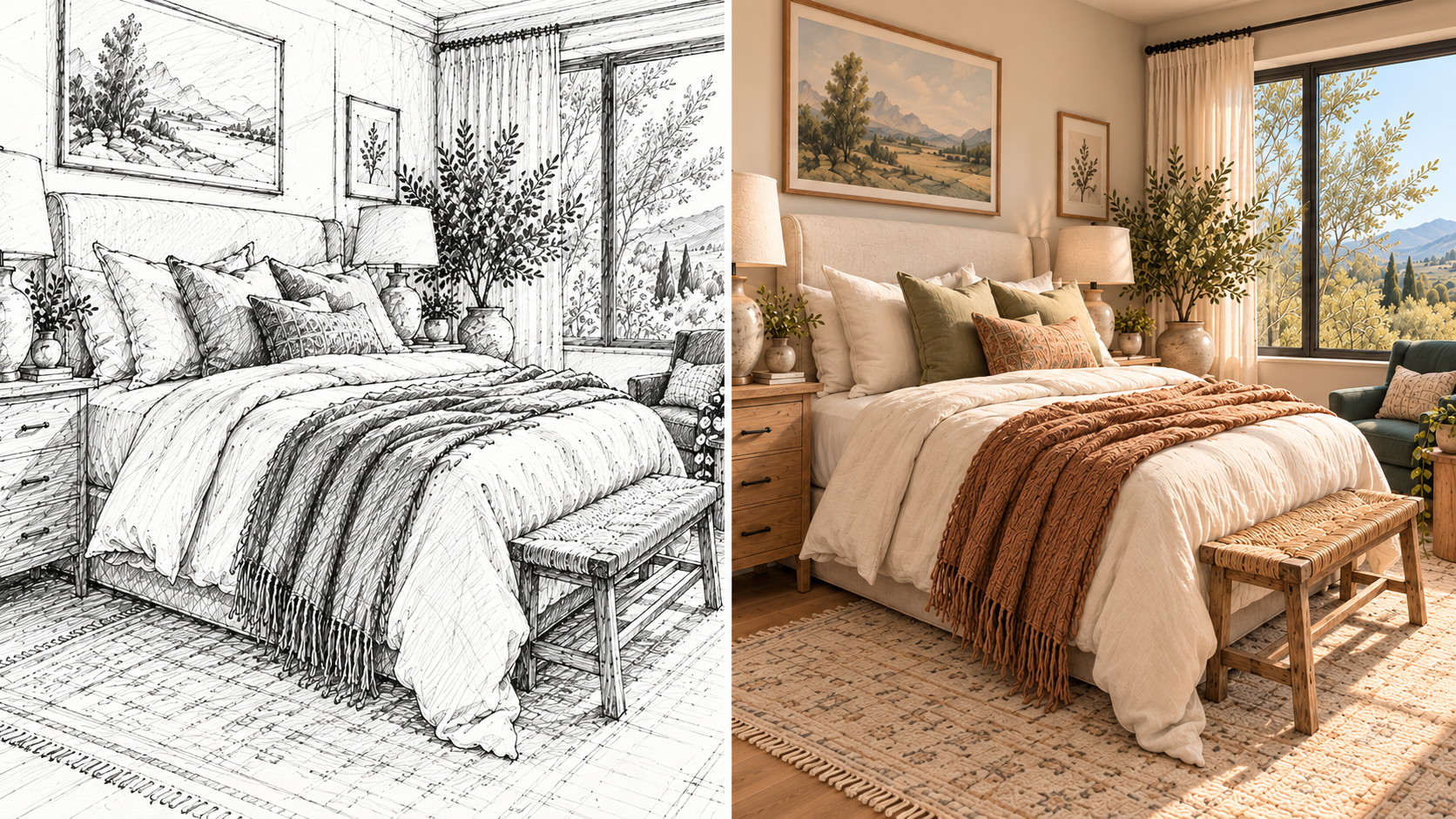
What AI can do for real estate marketing
Real estate professionals are already finding practical value in AI. In a 2026 Realtors Property Resource® survey of 225 NAR members, 71% identified saving time as AI's top benefit and 68% reported saving at least one hour each week. The opportunity becomes more valuable when those individual efficiencies are organized into a repeatable marketing workflow.
AI supports three broad areas of real estate marketing.
Content production: Draft listing descriptions, emails, video scripts and social captions. Prepare approved visuals and create short motion clips from listing photographs.
Campaign distribution: Adapt assets for different formats, schedule content, organize contacts and trigger approved follow-up.
Lead management and analysis: Organize inquiries, answer basic questions from approved information, prioritize follow-up and identify patterns in campaign performance.
Using AI tools for real estate projects brings these creative capabilities into one workflow, helping you turn approved listing photos into interior motion, exterior reveals and channel-ready campaign assets.
These tools can reduce repetitive production work. They also give individual agents and smaller teams access to formats that once required separate writers, designers, video editors and media buyers.
AI cannot verify the underlying truth of a listing. A language model does not know whether the roof was replaced in 2024, whether a room can legally be described as a bedroom or whether a particular school serves the property. An AI image generator may create convincing architectural details that do not exist.
A structured workflow minimizes the opportunities for AI to deviate from the property and brief, and builds in review stages to ensure your content is accurate and compliant with necessary rules and regulations.
The AI real estate marketing workflows at a glance
| Starting point | AI-assisted output | Illustrative active time | Human checkpoint |
|---|---|---|---|
| Verified property brief | Listing description and campaign copy | 15 to 30 minutes | Confirm facts and review for fair housing concerns |
| Original photo set | Corrected or staged marketing stills | 15 to 30 minutes | Compare every image with the original |
| Approved hero images | Interior motion clips and exterior reveals | 30 to 90 minutes | Review geometry, motion and disclosure needs |
| Approved master video | Vertical, square and widescreen edits | 20 to 40 minutes | Check crops, captions, audio and format |
| Approved copy and assets | Email, social and open-house campaign | 20 to 30 minutes | Check audience, links and calls to action |
| Campaign engagement | CRM tasks and prioritized follow-up | Ongoing | Review routing, personalization and outcomes |
These ranges represent hands-on time for a prepared agent or marketer. Rendering, revisions and brokerage approval can extend the total turnaround. Pay attention to the places where you get bogged down in details or work starts feeling repetitive, as that is a great sign you can offload that work to AI. Alternatively, if any stages of the workflow feel like you need to continually fix images, copy or creative direction, then you'll get a sense of where your professional judgment needs to take a larger role.
Step 1: Build a verified property brief
A verified property brief gives every AI tool the same source of truth. Create it before you write prompts or generate assets.
Include:
- Approved MLS data
- Seller-confirmed improvements
- Verified room dimensions
- Accurate property features and current condition
- Brokerage-approved neighborhood language
- Original photo filenames
- Required disclosures
- Campaign goals and intended channels
- Your desired call to action
Separate property facts from creative direction. "Quartz kitchen counters" is a factual claim. "Bright, refined and inviting" is creative direction. Keeping these categories separate reduces the chance that a model will treat promotional language as evidence.
Property brief template
Property facts
- Property type
- Bedrooms and bathrooms
- Interior size
- Lot size
- Verified features
- Seller-confirmed improvements
- Current condition
- Items awaiting confirmation
Creative direction
- Features to emphasize
- Desired tone
- Visual style
- Camera style
- Words or claims to avoid
Campaign details
- Primary objective
- Intended channels
- Target publication date
- Call to action
- Required disclosures
- Final approver
Protect confidential information at this stage. Review the service's terms, account settings and your brokerage policy before uploading client information.
Avoid uploading access codes, identification documents, private financial records or sensitive client communications unless your brokerage has expressly approved that system and use. Provide only the information required for the task.
Once approved, the brief can support listing copy, video prompts, email campaigns, social posts and CRM activity without requiring you to re-enter facts at every step.
Step 2: Draft listing descriptions and campaign copy
AI-generated listing copy works best as a structured first draft. Give the model verified facts, a defined format and clear language constraints.
A reusable prompt could read:
Write a 150-word residential listing description using only the verified facts below. Use a clear, polished tone. Describe the property's physical features and current condition. Avoid demographic assumptions, school-quality claims and statements about neighborhood safety. Do not add facts or infer missing details. Place any item requiring confirmation under a separate "Review before publication" heading.
The same brief can support an open-house announcement, email subject line, social caption and short voiceover script. Each version should reflect the purpose of its channel.
- MLS copy should prioritize accurate, searchable property information.
- Social copy can lead with one strong visual feature.
- Email copy can connect verified property features to a contact's documented interests.
- Video scripts should complement the visuals instead of narrating every feature on screen.
A simple property-to-campaign example
Suppose the verified brief includes this fact:
The kitchen has quartz counters, an eight-foot island and sliding doors that open to a covered patio.
That fact can be adapted without changing its meaning.
Listing description
The kitchen features quartz counters, an eight-foot island and direct access to a covered patio.
Social hook
The kitchen opens directly to a covered patio designed for an easy indoor-outdoor flow.
Video prompt
The camera moves slowly toward the eight-foot kitchen island, then shifts toward the existing sliding doors. Preserve the quartz counters, doorway dimensions and room layout.
Email subject line
New listing with an open kitchen and covered patio
Before approving any version, compare each property claim with the brief. Review the final language for fair housing concerns and confirm that the call to action fits the channel.
Step 3: Prepare, enhance and stage listing images
AI image tools can prepare listing photographs for several formats and create a consistent visual treatment across a campaign. Start by deciding what the visual story should emphasize, such as natural light, material details or indoor-outdoor flow.
You can use them to create and refine visual variations from an approved reference image. Use an AI image prompting guide to make your creative direction more specific while preserving the property details established in the source photograph.
Apply that direction consistently while protecting the property's actual condition and structure.
Changing exposure or white balance may improve the presentation of what the camera captured. Adding furniture, changing paint or replacing landscaping changes what the viewer sees. Those categories require different review and disclosure decisions.
Photo enhancement vs. virtual staging
| Photo enhancement | Virtual staging or material alteration | |
|---|---|---|
| Purpose | Improve the presentation of the existing photograph | Help viewers imagine a furnishing or design treatment |
| Typical changes | Exposure, white balance, straightening, cropping and modest sharpening | Furniture, finishes, appliances, landscaping or exterior elements |
| Property representation | Existing features remain unchanged | Visible contents or physical elements change |
| Publication check | Confirm that the photograph still represents the property accurately | Compare with the original and determine disclosure, original-image and MLS requirements |
The practical dividing line is whether the edit changes a viewer's understanding of the property.
Do not publish an image that invents a room or amenity, conceals a permanent defect, creates a false window view, changes room dimensions or depicts a different layout. A disclosure can identify a legitimate staged or conceptual treatment. It does not correct an image that materially misrepresents the property.
A current California example
California Business and Professions Code § 10140.8 requires covered real estate professionals who use qualifying digitally altered images to provide a reasonably conspicuous disclosure on or next to the image. The advertisement must also provide access to the original image through a public website, URL or QR code.
The definition covers changes to fixtures, furniture, appliances, flooring, walls, paint, landscaping, facades and views. Common corrections that preserve the representation of the property are excluded. The requirements took effect January 1, 2026.
Review the California legislative summary and obtain guidance from your brokerage or legal adviser for implementation.
MLS procedures may add specific requirements. SDMLS requires the "Digitally Altered" label, an uploaded original and the original image's public URL in the altered image's description field. Its rules prohibit embedding the disclosure directly onto the MLS photo as a watermark or text. Review the current SDMLS rules and policy changes before publishing.
A practical disclosure outside an MLS-specific workflow might read:
Digitally altered image. View the original, unaltered image at [public URL or QR code].
Required language and placement can differ by jurisdiction, MLS and advertising format.
Step 4: Create motion from approved listing images
Image-to-video tools use a still photograph as the starting frame and generate camera or environmental motion. The image establishes the subject, composition and visible property details. Your prompt describes how the camera and environment should move.
An AI video generator can turn an approved listing photograph into a short motion clip. A creative agent can help plan the shot, select a creative approach and assemble approved clips into a larger campaign.
For more control over individual generations, review photo-to-video prompting tips and master camera angle and shots to get the best results.
Generated media remains variable, so each result still requires review.
Use a focused prompt formula
A useful image-to-video prompt contains five elements:
Source image + one camera movement + one environmental movement + structural constraint + pacing
For example:
Interior
Using the approved kitchen image, the camera slowly dollies forward. Natural afternoon light shifts gently across the counters. Preserve the architecture, appliances, countertops and window placement. Use smooth, stable movement.
Exterior
Using the approved facade image, the camera rises gradually above the front walkway to reveal the existing roofline. Keep the facade, landscaping and surrounding structures stable. Use warm late-afternoon light and measured motion.
Detail
Using the approved fireplace image, the camera gently pushes toward the stonework. Soft daylight moves across the surface. Preserve the fireplace dimensions, wall position and surrounding materials. Keep the camera movement subtle.
One clear movement is easier to control than a prompt that asks for a push, pan, orbit and lighting transition at the same time.
Review every generated clip
A clip passes review when:
- Walls, floors and ceilings remain stable
- Doors and windows remain in their original positions
- Fixtures and appliances keep their shape
- Room dimensions do not appear to change
- Exterior features remain consistent
- The motion supports the property story
- Required disclosures can follow the asset into its final format
Reject or regenerate a clip when:
- Walls bend or pulse
- Windows appear, disappear or move
- Countertops or flooring change
- Rooms gain depth or space that was not visible in the source
- Exterior surroundings are invented
- Landscaping covers a permanent condition
- The clip creates a misleading impression of the property
Aerial imagery is already familiar in real estate marketing. NAR reports that 52% of surveyed REALTORS® use drone photography or video. AI-generated aerial-style motion offers another creative option when a real drone shoot is impractical, but it is important to ensure the result doesn't promise any property features or views that aren't verifiable in the listing.
Step 5: Turn one listing into a multi-channel campaign
One approved property brief and photo set can support:
- One primary listing video
- One exterior reveal
- Three vertical social clips
- Five social stills
- Approved staged variants
- One property email
- One open-house announcement
- One CRM follow-up sequence
Build the primary story first. You might open with the exterior, move through the main living spaces and finish with a distinctive feature and clear call to action.
Generate each shot separately. Review it before adding it to the master edit. A library of approved clips gives you more flexibility when adapting the story for different destinations.
Once the master assets are approved, adapt creative for different marketing channels, including vertical social clips, widescreen listing videos and square feed posts.
| Destination | Starting format | Editorial guidance |
|---|---|---|
| MLS or listing page | 16:9 where supported | Follow local duration, file and disclosure rules |
| Instagram Reels and similar placements | 9:16 | Establish the strongest visual in the opening seconds |
| YouTube | 16:9 or 9:16 | Match the edit to a standard video or Short |
| Linked thumbnail or preview image | Keep the message light and link to a hosted video | |
| Website | Responsive, compressed video | Protect page speed and provide accessible alternatives |
| Feed post | 1:1 or 4:5 | Use captions and a visual that works without sound |
Platform specifications and MLS restrictions change, so confirm specifications and compliance before finalizing your content.
Create the MLS cut, vertical social edit and square feed post from an approved set of assets. Review each version independently because cropping and reframing can remove disclosures, cut off important details or change how the property is perceived.
After approving the underlying clip, you can refine its lighting or upscale the video for its final destination. Review the finished export again before publication, especially when changes to lighting could affect how viewers perceive the property.
Step 6: Connect attention to lead generation
Social media often represents the widest point in a real estate marketing funnel. Its first role is to earn attention. Lead generation begins when that attention becomes an identifiable action, such as a property-page visit, open-house registration, direct message or showing inquiry.
Choose organic or paid distribution based on the goal
Organic content supports ongoing visibility, market education and audience relationships. Platform algorithms, follower activity and sharing influence who sees it.
Paid advertising uses a defined budget to support a measurable objective, such as property-page traffic, open-house registrations or inquiries. Audience selection, automated delivery and housing-ad requirements create an additional layer of review.
Before launching a paid campaign, review:
- Campaign objective and budget
- Property facts and creative variants
- Destination page
- Geographic and audience settings
- Audience exclusions
- Lead form and consent language
- Brokerage and platform housing-ad requirements
- Lead routing and response-time expectations
Automated delivery does not remove your responsibility for the advertisement. Monitor campaign performance and the quality of the inquiries it produces.
Use automation to support timely follow-up
An approved automation can respond to a social comment or direct-message keyword with a property link, open-house information or registration form. Once a prospect opts in, the CRM can assign the inquiry, send an acknowledgment and create a follow-up task.
A chatbot can answer basic questions using the verified property brief. Questions about offers, disclosures, financing, legal rights or property condition should be routed to a qualified person.
AI-assisted email can highlight a verified feature, share an open-house schedule or invite a conversation based on a contact's documented interests. Approve templates before activation and audit real messages after launch.
Measure the result that matters
Define success before asking AI to interpret the campaign.
| Campaign objective | Primary metric | What the result may help you adjust |
|---|---|---|
| Build listing awareness | Qualified property-page visits | Hook, thumbnail or distribution |
| Increase open-house attendance | Registrations and attendance rate | CTA, timing or follow-up |
| Generate buyer interest | Relevant inquiries and conversations | Property details, form or targeting |
| Improve video engagement | Opening retention and completion | First shot, length or pacing |
| Support seller marketing | Campaign reach and qualified activity | Channel mix or creative format |
AI can summarize results and surface patterns. It can identify which opening shot retained attention, which post earned qualified inquiries or which subject line produced property visits.
Your interpretation should remain grounded in campaign data, market knowledge and the listing's objective. Ask:
- What is working?
- What is underperforming?
- Are the inquiries relevant?
- Is the campaign being distributed fairly?
- Does the content still sound like our brand?
- What should we test next?
Step 7: Build a repeatable system across your portfolio
Consistency begins with saved creative rules. Select three to five approved campaigns that represent your brand. Document their tone, vocabulary, typography, color treatment, pacing and camera style.
Create a small prompt library for recurring property types and shots. A condominium may benefit from measured interior pans. A large exterior may support a wider reveal. An architectural detail may call for a locked camera and subtle movement in the light.
Use consistent filenames and preserve original files. Store the verified brief, source photographs, generated versions, approval notes and disclosure links together.
This record speeds up revisions, supports compliance review and prevents an altered asset from becoming separated from its original.
Compliance checklist before publishing your campaign
Review the campaign in the same order you created it:
- Confirm every property fact against approved source material.
- Review listing language for fair housing concerns.
- Review paid audience settings and automated delivery options.
- Compare every edited image with its original.
- Identify virtual staging and other material alterations.
- Review generated motion for changing geometry or invented details.
- Add required labels, disclosures and access to original images.
- Confirm brokerage and MLS approval.
- Verify rights for photographs, music, voices, logos and other inputs.
- Test links, forms, captions and exports on every destination.
- Document final human approval.
Disclosure should follow an altered asset throughout the campaign. If a staged image becomes part of a video, the same factual and compliance concerns remain attached to that source.
Requirements continue to evolve. As of September 8, 2026, New York Senate Bill S9584 remains active in the Senate Judiciary Committee. The proposal addresses materially misleading digital representations, virtual staging and conceptual property media. It is a proposal rather than current law. Its status is a reminder to check your local requirements before each campaign. See the official New York Senate bill page.
Platform rights are separate from listing accuracy. Creators retain their rights in generated content and may use it commercially when using Runway. You remain responsible for your source materials and other legal or contractual obligations. Review Runway's usage terms before beginning client work.
How to start with one listing
A practical starting stack includes:
- A verified property-data source
- An approved writing assistant
- An image-editing or generation tool
- An AI video tool
- A design and resizing tool
- A CRM or email platform
- A documented approval process
Start with one active listing. Build the property brief, create one approved motion test and adapt it for one or two channels. Record the time, revisions and rejected generations required to produce the final assets.
Costs associated with AI listing videos
The cost depends on the plan, model, clip duration, resolution, number of tests and number of rejected generations. Editing and human approval time also belong in the budget.
Runway Standard plans cost $15 per month or an effective $12 per month with annual billing. Standard includes 625 monthly credits. The Pro plan is $35 per month or an effective $28 per month with annual billing and includes 2,250 monthly credits.
Calculate cost at the campaign level. Include:
- Test generations
- Revisions
- Alternate aspect ratios
- Upscaling
- Editing
- Audio
- Disclosure work
- Human review
A clear brief and reusable prompt library can reduce unnecessary generations over time.
Frequently asked questions
Can AI make a video from my listing photos?
Yes. Image-to-video tools use a still photograph as the starting frame and generate camera or environmental motion. Review every clip for changing architecture and invented details.
Do I have to disclose AI virtual staging?
Requirements depend on the jurisdiction, MLS and advertising format. California requires disclosure and access to the original image for qualifying digital alterations. Check your state, MLS and brokerage requirements before publishing.
Will AI-edited listing photos break my MLS rules?
They can if the edit changes the property or if you fail to follow disclosure procedures. Basic exposure, color and cropping adjustments may be treated differently from virtual staging and material alterations. Confirm the rules of the MLS receiving the listing.
What is the difference between virtual staging and photo enhancement?
Photo enhancement improves light, color, clarity or framing while preserving the property. Virtual staging adds, removes or changes visible elements such as furniture, finishes or landscaping.
Can I create aerial shots without a drone?
AI can create aerial-style motion from a ground-level image. The result is simulated and should not be treated as documentation of a real flight or an unseen view.
Can I use AI-generated images and video commercially?
Runway permits commercial use of content you create on its platform under its current guidance. You remain responsible for source-material rights, listing accuracy and other obligations.
How long should a listing video be for Instagram versus the MLS?
A social edit should establish its strongest visual in the opening seconds. A listing-page video can use a longer sequence to present the property. Confirm current platform limits and local MLS requirements before export.
Is AI-written listing copy a fair housing risk?
AI may reproduce demographic assumptions or inappropriate targeting language. Limit prompts to verified property facts, prohibit demographic claims and review both the copy and its distribution before publication.
What decisions should remain with the agent?
You should retain responsibility for property facts, legal and brokerage compliance, final visual accuracy, audience decisions and communication that requires professional judgment.
Amplify your real estate expertise with AI marketing
AI can help you market a listing faster and create more useful formats from the same approved materials. A structured workflow can also give you more time for personal follow-up and relationship building.
Start with the expertise you already have as a real estate professional. Identify what makes the property stand out, document those facts carefully and use AI to express that story across the campaign.
Start with one approved listing and create your first real estate video with Runway. The goal is a faster workflow with the same standard of accuracy, judgment and trust your clients expect.