Ask a product marketer which AI tools they use, and you'll often hear the same five names: ChatGPT for drafting, Claude for long documents, Perplexity for research, Gamma for decks, Canva for graphics.
Ask what's still slow, and you'll hear a different answer: the demo video, the launch visual, the product shot that needed a shoot booked weeks out. Product marketing's AI stack solved the drafting problem years ago. It is only now solving the production problem, and that shift changes what a launch and everything that comes after can actually look like.
What is AI in product marketing?
AI in product marketing means using generative and analytical tools inside the core product marketing manager (PMM) job: researching customers and competitors, writing positioning and messaging, planning launches, building sales enablement and producing the content that supports all of it. It's the existing PMM workflow, run with different tools.
According to the Product Marketing Alliance's 2026 State of Product Marketing Report, 80% of PMMs now use AI regularly. The adoption clusters in three core areas: drafting copy, summarizing research and producing first-draft assets.
Strategy, judgment and the final call on competitive positioning and brand voice still rightly sit with the product marketer. So while AI doesn't decide whether the draft is right, it compresses the time between an idea and a testable first pass.
Where AI is used in product marketing
AI can support almost every product marketing workflow if you let it, from messaging and positioning down to content and visual production. Here's how.
Messaging and positioning
Positioning is the job PMMs own most completely, and it's where AI shows up first. Feed a tool a product description and ask for five headline directions, a competitive angle or a rewrite aimed at a technical buyer, and you get a workable draft in the time it takes to write the prompt.
ChatGPT and Claude both handle this well. But with longer source material like full PRDs, win-loss interview sets or existing messaging frameworks, break the material into smaller chunks and work through them systematically to avoid overlooking important details.
The output still needs a PMM's perspective on what actually differentiates the product, but the blank-page problem mostly disappears.
Competitive intelligence
Perplexity and similar tools summarize a competitor's public moves, pricing pages and recent announcements with links back to the source, which makes it a fast way to build a first pass before a battlecard review. It can also predict potential market trends by analyzing millions of data points.
Crayon and Klue go further, continuously tracking a competitor's site, pricing and sales materials, so a PMM learns about a change the week it happens instead of the quarter after. Neither replaces a conversation with a rep who just lost a deal, but both cut the hours spent manually checking competitor sites. The insights they provide also inform optimal pricing and promotional discounts.
Launch planning
A launch plan touches a cross-functional checklist, a press release, sales team talking points, a blog outline and an email sequence, and AI is genuinely useful for producing a rough version of all five before the first planning meeting.
Draft each piece with ChatGPT or Claude, then turn the plan into a deck with tools like Figma Slides or Gamma, which converts a written outline into slides fast enough to use in the same working session. Early launch ideation, go-to-market strategy, naming directions, campaign concepts and visual guides benefit from the same speed.
Runway's ideation and concepting tools apply here too, ahead of any final creative decision.
Voice-of-customer analysis
Granola captures customer interview notes without a PMM typing through the call, and Dovetail clusters that raw feedback across dozens of interviews to show the objections, feature requests and language customers actually use.
That second step easily takes days when done manually. But running it through Dovetail turns weeks of interviews into a set of themes a PMM can act on the same week.
Sales enablement
Battlecards, objection-handling guides, discovery questions and demo scripts are all first-draft-friendly, and PMMs report saving real time by treating AI-generated content as a starting point rather than a finished asset.
The judgment on what a rep actually needs in the field, and whether a battlecard claim is still accurate, stays with the person who owns the relationship with sales.
Content and visual production
Demos and product shots have historically been expensive and time-consuming to produce, often requiring shoots booked weeks in advance. While most generative AI tools the past few years have been great for writing copy, they've lacked the ability to handle visuals, forcing teams to rely on existing assets rather than creating new content that's well-suited for a specific campaign or launch.
With more sophisticated AI tools and models available today, product marketers can bypass that constraint. Descript and Synthesia can handle simple recorded demos, webinar edits and localized explainer videos. Runway is designed for marketing use cases and can do everything from generate product shots to create launch visuals with a full set of scenes, lighting and angles, directly from an image, prompt, or reference. Agent can create entire marketing campaigns tailored to what you need.
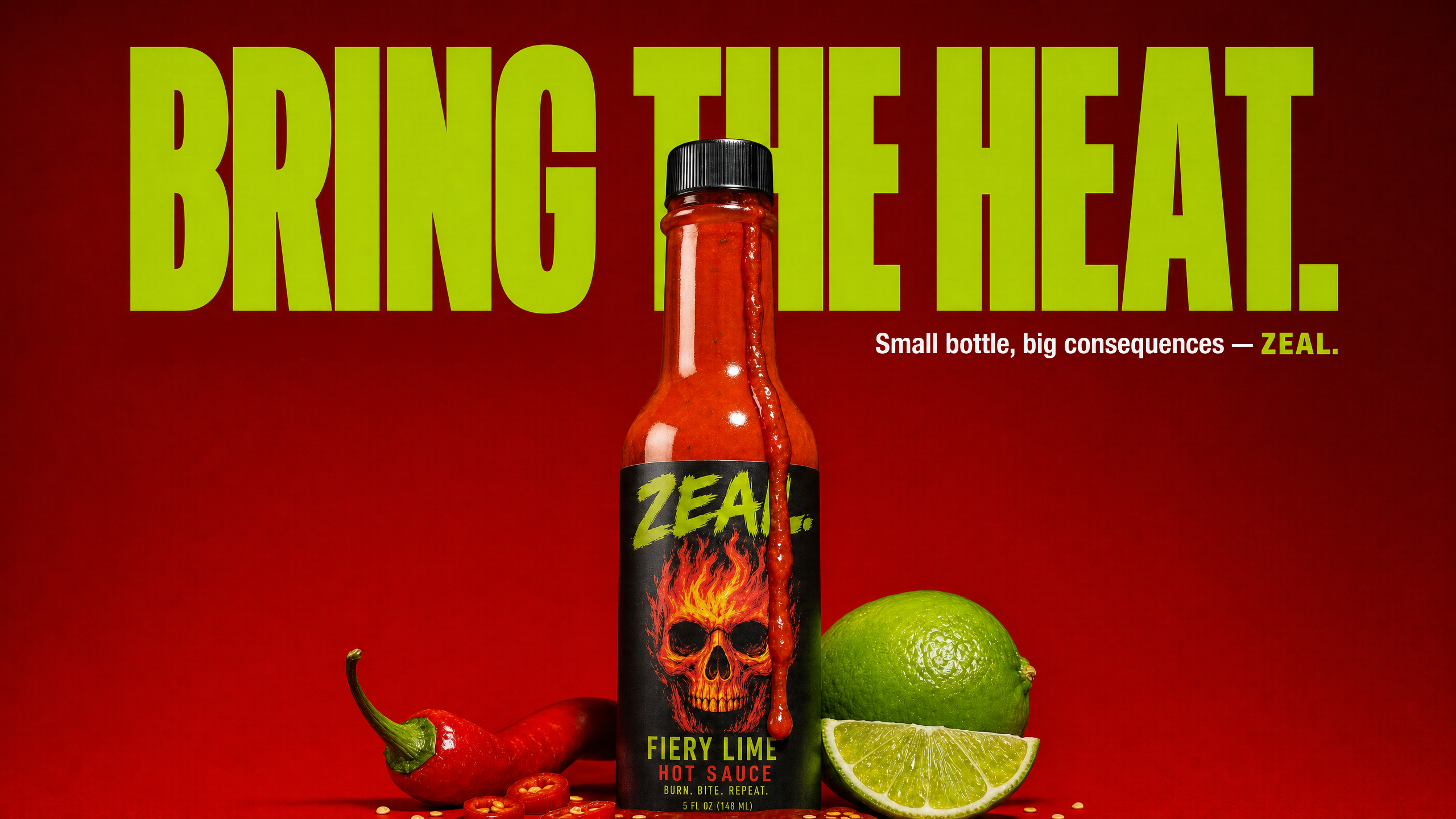
Put all of these together, and you can have a launch page or paid social campaign ready to go in minutes — with realistic product visuals before a physical sample ever exists. If you'd like to implement this workflow right now, learn more in this AI product mockups guide and this AI packaging design walkthrough.
Teams like Silverside AI already lean on Runway's product design tools for the same early-stage visuals. For a broader mix of ad and social video, Runway's marketing and advertising tools cover ad variations and campaign cuts at a volume traditional shoot schedules can't match.
The best AI tools for product marketing
Product marketing AI tools split cleanly by job. There's no single platform that covers positioning, research, decks, customer feedback interviews and video well, so PMMs that run four or five tools instead of one can address multiple bottlenecks at once.
| Job | Tools | What it replaces |
|---|---|---|
| Positioning and messaging | ChatGPT, Claude | The blank page and the first eight drafts |
| Competitive research | Perplexity, Crayon, Klue | Manually checking competitor sites every week |
| Launch decks | Gamma, Figma Slides | A day formatting slides |
| Customer interviews | Granola, Dovetail | Manual note-taking and theme-tagging |
| Product visuals and video | Runway, Descript, Synthesia | A shoot, a studio and a two-week turnaround |
| Design assets | Adobe Firefly, Runway, Canva, Figma | A design request sitting in a queue |
| SEO and content strategy | Ahrefs, Semrush | Guessing what to write about next |
Most of these offer usable free tiers with task-specific AI features, so you can test a tool in an afternoon before submitting a budget request and committing fully. Try Runway for free today →
How to bring AI into your product marketing workflow
- Start with one workflow. Pick the task costing the most repeated hours and add one tool there before touching anything else or expanding your AI tech stack. First-draft launch copy or competitor monitoring are common starting points.
- Give the tool specific inputs. A generic prompt returns a flat draft. Feed the AI tool the actual Product Requirements Document (PRD), competitor page or interview transcript, and watch the output transform into something truly compelling.
- Keep a human on the last 10%. You should still own the differentiation claim and make the final call on what's actually true, especially because AI can make mistakes.
- Pilot for one launch cycle. Instead of switching every workflow at once, run the new tool across a single launch and marketing channels, track what actually changed and iterate on that first.
- Measure hours saved and where output still needs heavy editing. If a draft needs a full rewrite every time, the tool is wrong for that job. Switch it out and see if anything changes.
- Expand to the next bottleneck. Once one workflow is stable, move to the next constraint, e.g., research, visuals or sales enablement. Integrating AI into your product marketing workflow in phases rather than automating everything in a single quarter is less disruptive and more measurable.
- Personalize content. Use AI to adapt a core message for different personas, use cases and channels. Give it the target audience context and desired action so the variations stay relevant without losing the original positioning.
Product marketing workflows before and after AI
| Task | Before | After |
|---|---|---|
| First positioning draft | Two to three days of drafting and revisions | A working draft in under an hour, then human refinement |
| Competitor tracking | Manual weekly site checks | Continuous monitoring with an alert on real changes |
| Launch deck | A full day building slides | A written outline turned into a deck in the same meeting |
| Customer interview | Days of manual note review | Themes surfaced across dozens of interviews in a single pass |
| Launch product visuals | A cost-intensive shoot booked weeks out | A restaged, low-cost product shot generated the same day |
Measuring AI's impact on product marketing
Instead of inventing a new metric for your AI product marketing pilot program, track the impact AI has on numbers leadership teams and key stakeholders already track:
- Time to first draft. The length of time between when a launch brief lands and when a workable positioning draft, deck outline or battlecard exists. This is the number that moves fastest and earliest.
- Launch cadence. Whether the marketing team ships more tier-2 and tier-3 launches per quarter without adding headcount, since first-draft speed is often the constraint on volume.
- Edit distance. How much of an AI draft survives to the final asset. A draft that needs a full rewrite every time signals the wrong tool for that job.
- Hours redirected. Time saved on drafting only matters if it goes toward product marketing strategy, customer conversations or launch quality, so track where the freed up time actually lands.
Frequently asked questions
What are the best AI tools for product marketing?
There's no single best or right AI tool, because product marketing covers different repetitive tasks. ChatGPT and Claude cover writing and positioning. Perplexity, Crayon and Klue handle competitive intel. Granola and Dovetail work well for customer interviews. Gamma generates launch decks. Runway produces videos and product visuals.
This reality explains why PMMs who run four or five AI marketing tools tailored to specific jobs can get more done than those who use a single platform for everything or just one workflow.
What is the role of AI in product marketing?
AI's role is to remove the first-draft cost from PMM work: a positioning statement, a competitor summary, a launch deck outline or a product visual that used to take hours now takes minutes. It doesn't set strategy, decide what differentiates the product or approve a claim; that judgment stays with the PMM. The job has shifted from producing every asset by hand to directing and editing AI output.
How do you use AI in product marketing?
Start with the task that costs the most repeated hours, e.g., competitor research, first-draft launch copy or customer insight synthesis are common choices, and add one tool there.
Feed it real inputs (an actual brief, transcript or competitor page), keep a human on the final call, and run it across one full launch cycle before expanding to a second workflow. Adding five tools over time makes sense, but doing so all at once makes it hard to tell what's actually impacting your marketing efforts and which systems aren't earning their keep.
Will AI replace product marketers?
No tool replaces the judgment PMM work depends on: deciding what to say, to whom and why. What AI removes is the hours spent producing a first draft, which then shifts the job toward editing, strategy and cross-functional influence, the parts of PMM that have always been hard to automate.
Do I need an AI for product marketing course to get started?
No, you do not need an AI for product marketing course to start. Most of the tools in this guide have a free tier and a shallow learning curve so running your own product brief through ChatGPT or Claude can even teach more in an afternoon than some course modules.
Structured courses, including those from providers like Product Marketing Alliance and Pragmatic Institute, become more useful once you're responsible for building repeatable processes across a team and setting governance standards.
Start using AI for product marketing today
Most of the AI tools product marketers reach for handle text. The bottleneck AI is now solving is visual: a product shot, a demo clip or a launch video that used to require a proper shoot to pull off.
If most of your generative AI use has revolved around copywriting or you're still not sure which part of your product marketing workflow to automate with AI first, consider product shots. Turn a single product photo into a full set of launch-ready visuals with one of Runway's many apps, like the Reshoot Product app, so your campaign assets are ready before a printed sample or working product exists.